Verde
Sustainability rebranded — not through imagery of forests and recycling symbols, but through the quiet confidence of a company that already knows what it stands for.
category
Branding & Strategy
Role
Brand Strategist & Designer
type
Branding
Deliverable
Brand System
The sustainability space has a branding problem. Leaf icons. Earth tones. Taglines about the future. Verde came in wanting none of it. They're building something genuinely different — and they needed a brand that looked like it already knew that.
The brief was unusual: design for credibility first, values second. Not because the values aren't real — they're the whole point — but because a brand that has to announce its ethics hasn't yet embodied them.
Approach
Before any visual work began, the brand foundation needed clarity. Discovery sessions surfaced three core tensions Verde was navigating: being seen as trustworthy without being corporate, being seen as innovative without being inaccessible, and being sustainability-led without being preachy.
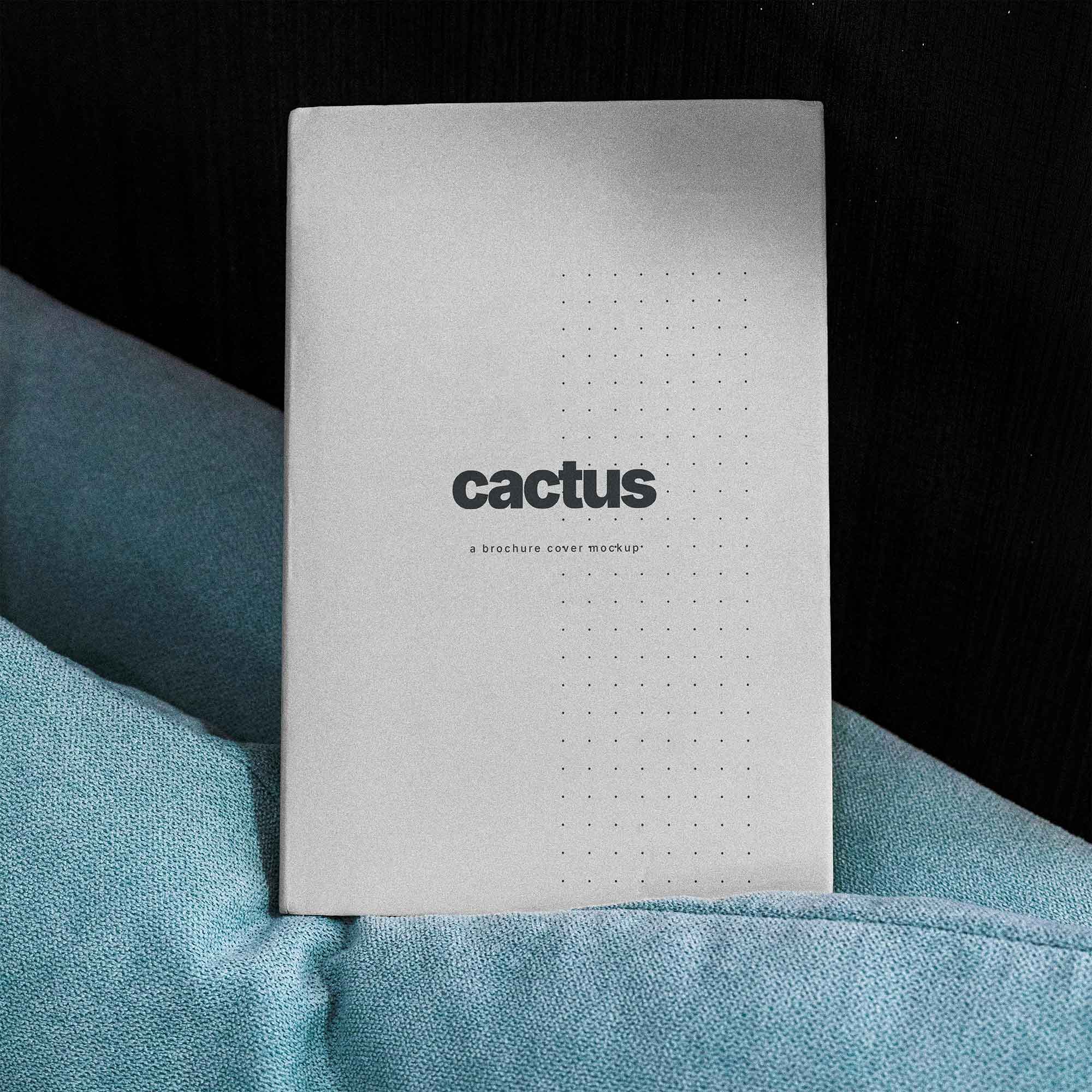
The visual language was built on a modular grid and a clean sans-serif — chosen for precision rather than personality. Color was used sparingly: a single, muted green anchoring the system, surrounded by near-neutrals that give it room to mean something.
The logo geometry is intentional without being symbolic no hidden leaves, no circular motifs. Just a mark that holds up at every scale, in every context, without needing a second look to understand it. Legibility as a brand statement.
Outcome
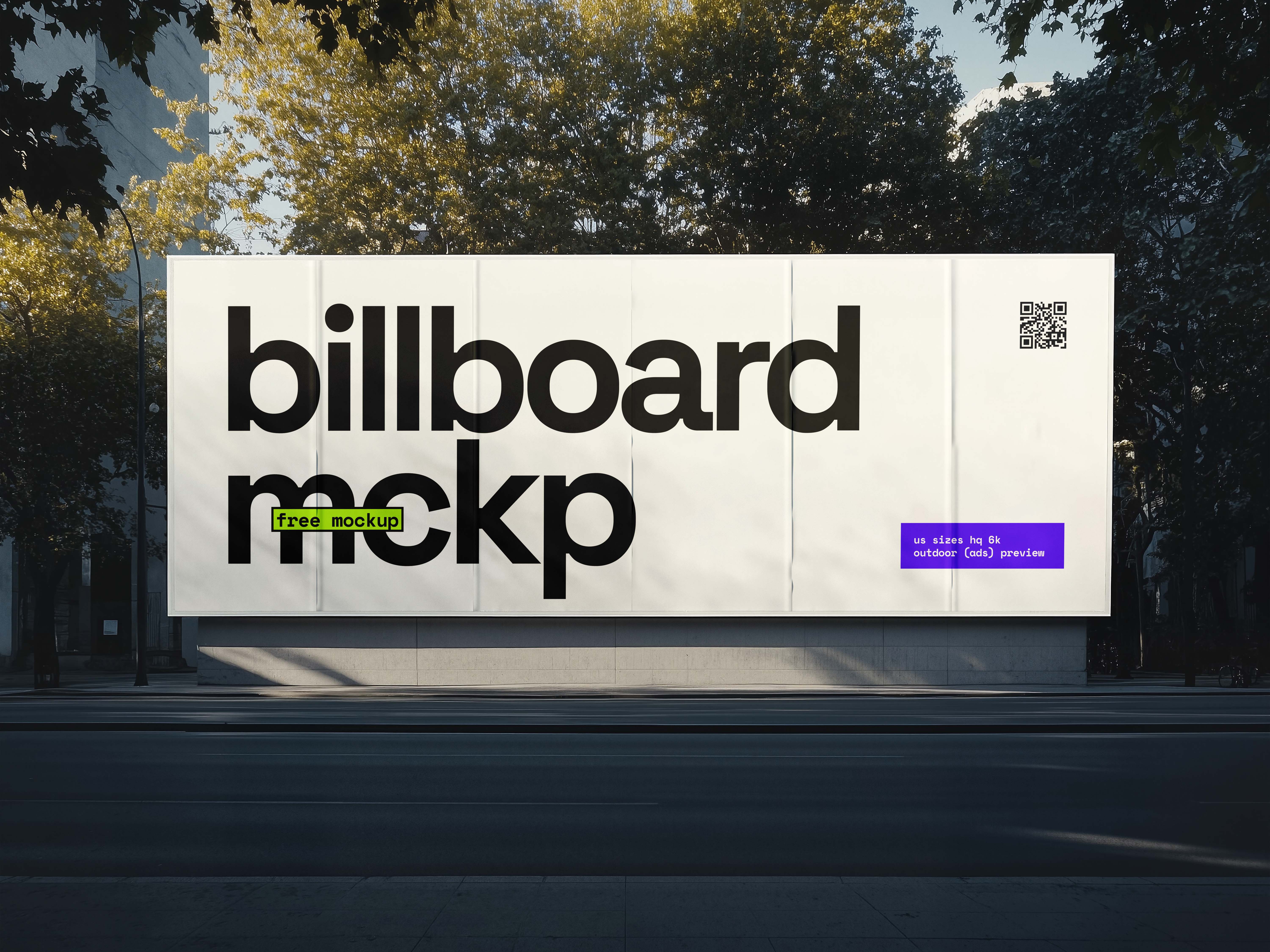
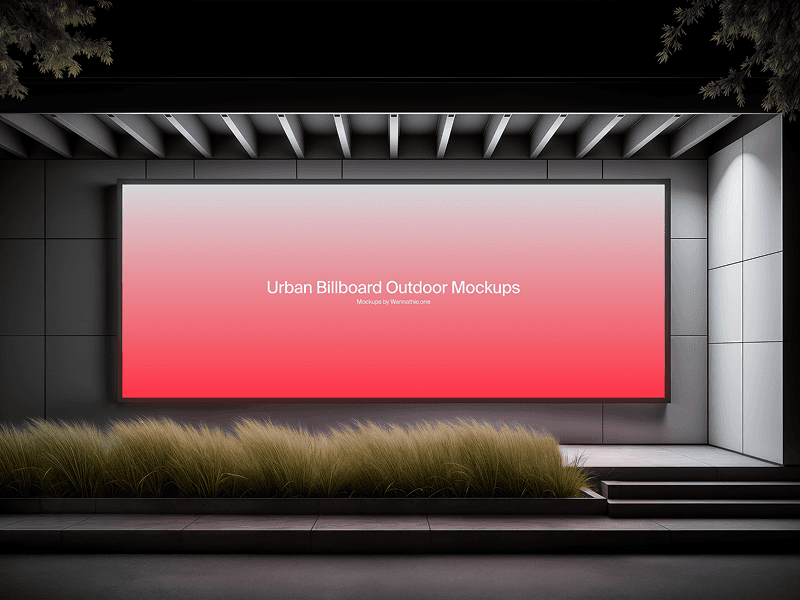
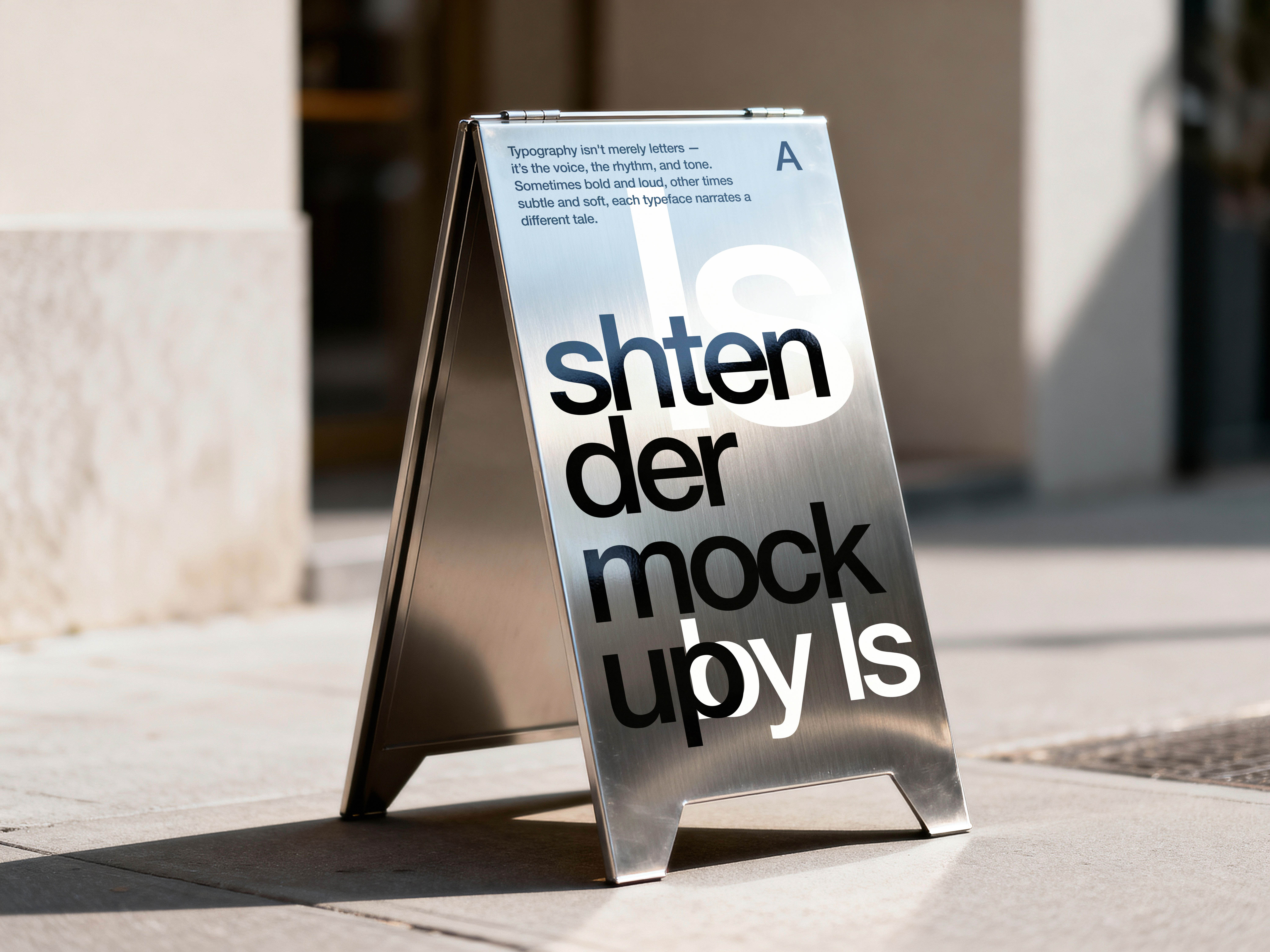
The finished identity works across every surface — digital product, print collateral, physical packaging, environmental signage — without losing coherence or diluting impact. It scales from a business card to a building wrap and reads the same way in both: considered, confident, and unhurried.
More significantly, Verde now has a brand that doesn't have to compete on aesthetics. In a category full of visual noise, their restraint is the differentiator.
Reflection
Verde is one of those rare briefs where the strategic and aesthetic answers are the same answer. Minimalism here isn't a stylistic preference — it's an argument. It says: we're serious enough not to need decoration.
The line that stayed with me throughout: clarity as the new green. Not a tagline. A design principle. One that shaped every decision from the grid to the colour to the weight of the type on the page.